26 Oct 2026
Trainer Track Surface Preferences and Their Influence on Race Outcomes
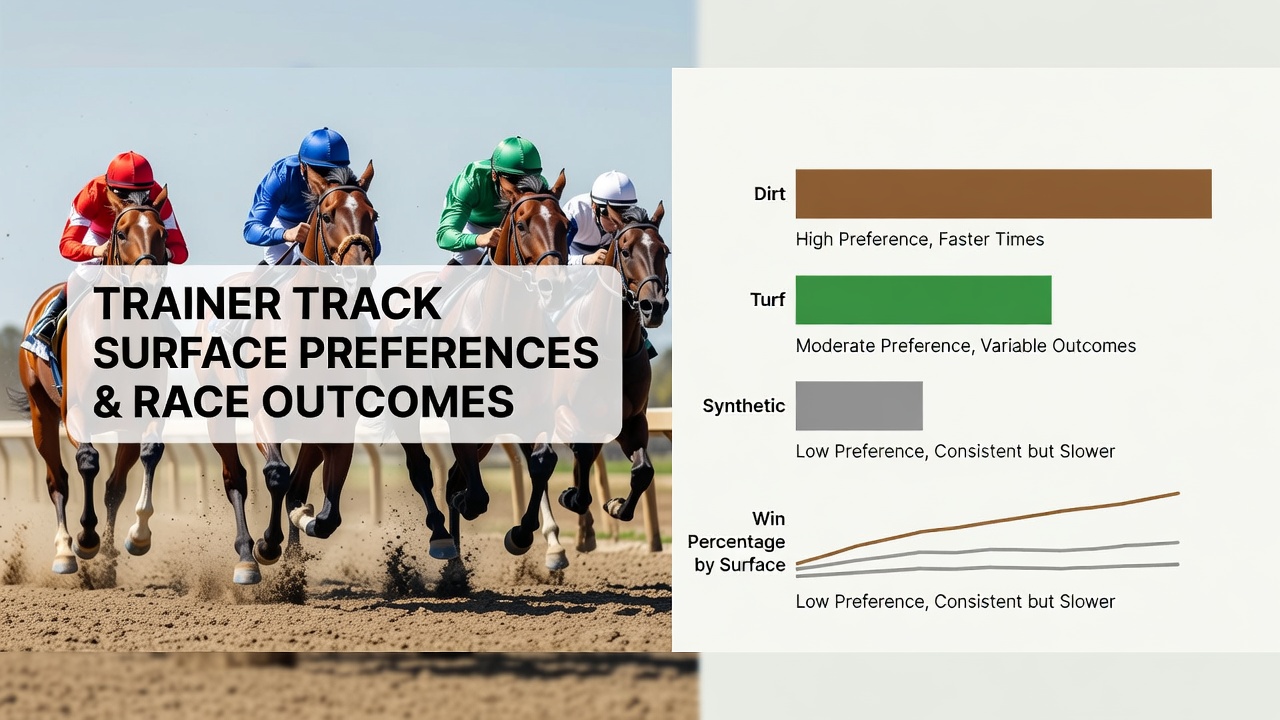
Track surfaces in thoroughbred racing range from traditional turf and dirt to synthetic alternatives, and trainers develop documented preferences for certain conditions that shape horse selection and preparation routines. These preferences emerge from long-term observation of equine responses, with data compiled by racing authorities showing consistent patterns across regions. In October 2026, ongoing analysis from bodies like Racing Australia continues to highlight how surface affinity correlates with win rates in specific categories of races.
Documented Patterns in Trainer Records
Statistical reviews from organizations such as The Jockey Club in the United States reveal that many trainers maintain higher strike rates on dirt tracks when compared with turf, while others excel on synthetic surfaces introduced in the early 2000s. Trainers compile these records through repeated exposure to varying track compositions, and they adjust stable strategies accordingly because surface composition affects stride mechanics and energy expenditure in measurable ways. One study conducted over multiple seasons demonstrated that horses prepared by specialists in synthetic training achieved faster recovery times between starts, and this advantage translated into improved placement statistics during autumn meetings.
European trainers often prioritize turf specialists because grass tracks dominate fixtures across the continent, yet cross-border campaigns require adaptation to all-weather options in the United Kingdom and Ireland. Data from the British Horseracing Authority indicates trainers with balanced portfolios across surfaces reduce the risk of underperformance when weather alters going conditions unexpectedly. Observers note that these balanced approaches become especially relevant during extended wet periods, where turf trainers must decide whether to reroute entries to synthetic alternatives or withdraw them entirely.
Physiological and Training Factors at Play
Equine biomechanics respond differently to each surface type, with dirt providing more cushioning that suits horses with certain hoof conformations, whereas turf demands greater flexibility in tendons and ligaments. Trainers who focus on dirt programs incorporate specific gallop routines that build strength in the hindquarters, and research from veterinary institutions supports the view that such targeted conditioning lowers injury incidence on that medium. Synthetic tracks, engineered for consistency, allow year-round training without the variability introduced by rainfall, which explains why several large stables have invested in private synthetic facilities since their widespread adoption.
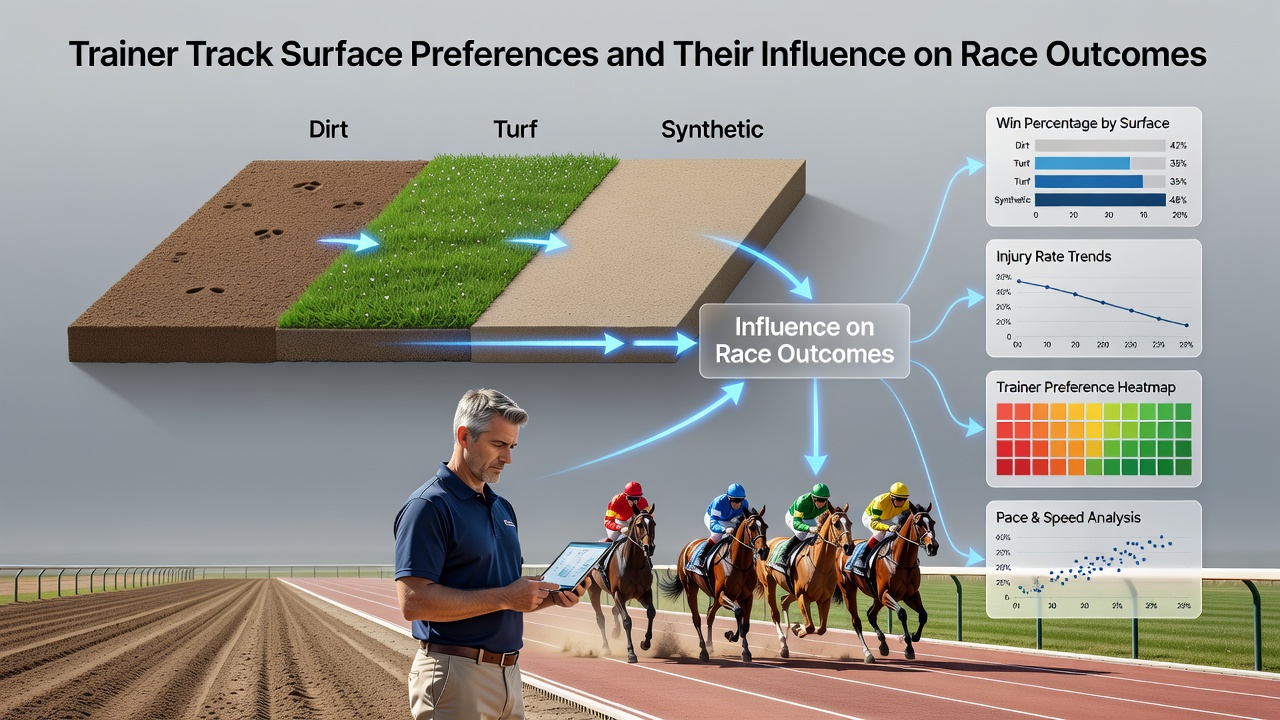
Performance metrics collected over decades show that horses switched between surfaces without adequate transition periods experience measurable declines in speed figures. Trainers therefore maintain detailed logs of each horse's responses, and they use this information to decide entry points months in advance. In cases where a trainer's primary surface preference aligns with a race's official going description, historical data indicates elevated success percentages, although variables such as pace and field size still exert independent influence.
Regional Variations and Seasonal Shifts
North American circuits feature a higher proportion of dirt racing, which has led trainers based in states like Kentucky and California to develop specialized programs around that surface. In contrast, Australian and New Zealand operations emphasize turf, with trainers tracking rainfall patterns closely because irrigation and drainage systems create localized differences even within the same meeting. Regulatory reports from the Canadian Pari-Mutuel Agency document how trainers in provinces with harsher winters increasingly favor synthetic tracks to maintain consistent preparation schedules.
October 2026 brings additional attention to these dynamics as major autumn carnivals approach, and forecasters examine trainer surface histories to project likely contenders. Those who have studied the data observe that trainers with strong synthetic records often dominate when wet weather forces relocation of turf events onto artificial tracks, creating opportunities for bettors who cross-reference surface-specific form.
Conclusion
Trainer track surface preferences function as a core variable in race outcome modeling because they reflect accumulated experience with equine physiology and track engineering. Authorities continue to expand datasets that link these preferences to performance indicators, and industry participants integrate such information into planning processes. The interplay between surface choice and other factors like distance and class remains an area of ongoing examination by researchers worldwide.