28 Jan 2026
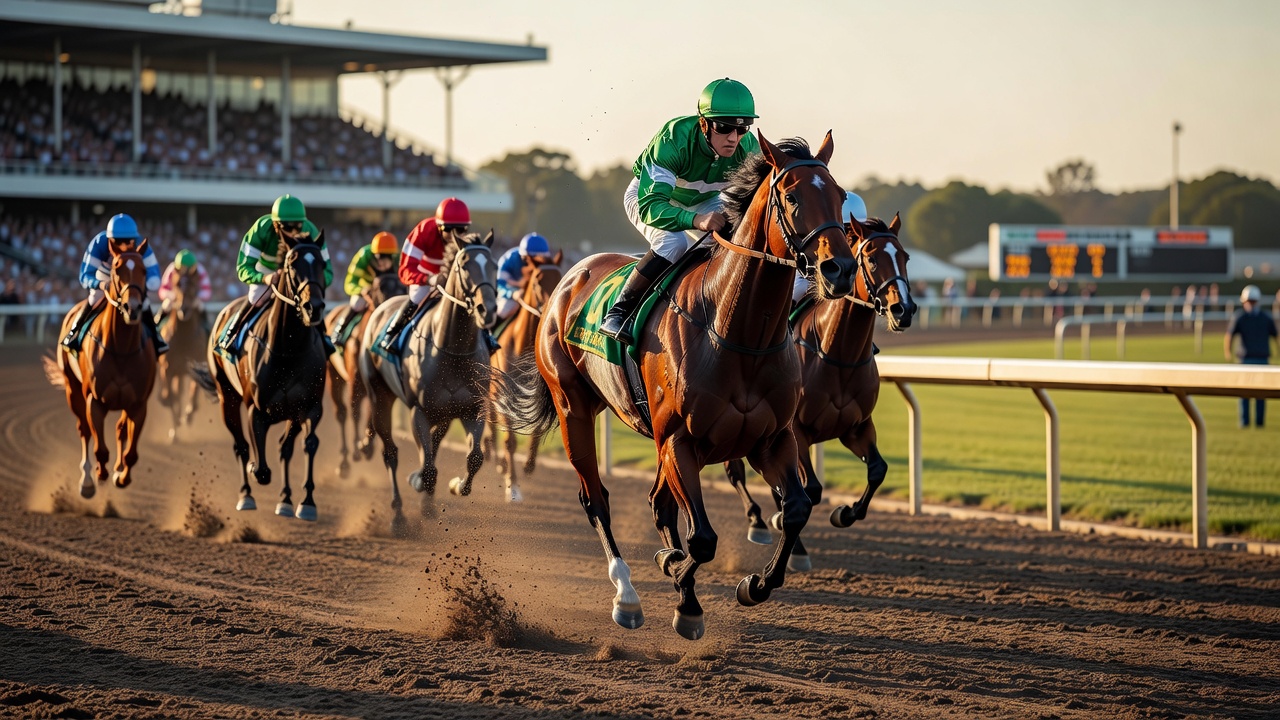
Successful horseracing tips often depend on careful observation of several key elements before placing a bet. Understanding these factors helps bettors make more informed decisions rather than relying on chance alone. This article outlines practical aspects to monitor when assessing races.
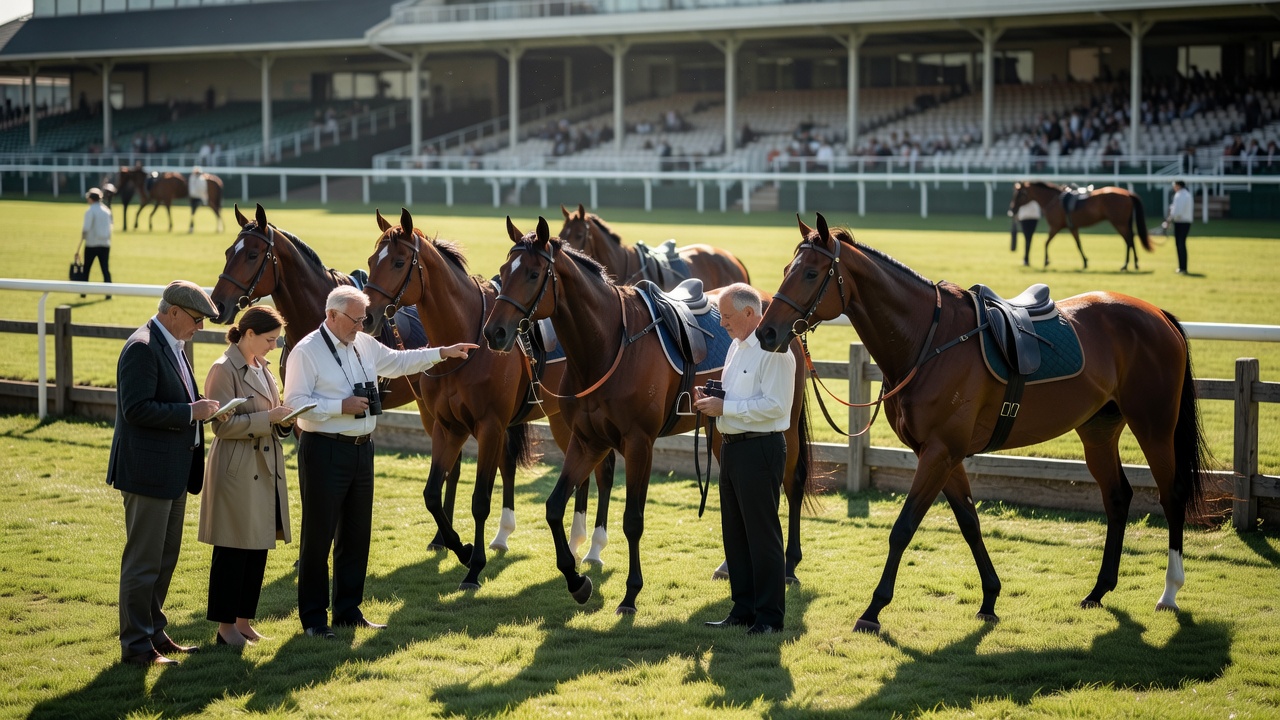
Reviewing Recent Form and Performance
Horse form provides a reliable indicator of current ability. Examine the last three to five runs, noting finishing positions, margins, and any excuses such as interference or unsuitable ground. Consistent performers at a particular distance or track tend to repeat their efforts under similar conditions. Look for horses returning from a break with strong trial form, as this can signal readiness for a competitive effort.
Pay attention to class drops or rises. A horse moving down in grade after struggling against stronger opposition may find conditions more favourable. Conversely, upward moves require evidence of improvement to justify support. Comparing speed figures across different meetings adds further context to raw results.
Assessing Track Conditions and Race Setup
Ground conditions significantly influence outcomes. Some horses excel on firm going while others prefer softer surfaces. Check official going reports on race day and compare with each contender's past record on that surface. Distance suitability also matters; sprinters rarely succeed over longer trips without clear stamina signs.
Draw bias can play a role at certain tracks. Inside draws often hold an advantage on sharp courses, while wide draws may suit galloping types. Study the pace map as well. A strong front-runner in a race lacking early speed could dictate the contest and prove difficult to catch.
Evaluating Jockey and Trainer Combinations
Jockey statistics reveal patterns worth noting. Riders with high strike rates at specific tracks or with particular trainers deserve extra consideration. Trainer form is equally important; yards hitting a hot streak often continue to produce winners. Stable switches can indicate new expectations for a horse previously underperforming.
Combining these observations creates a clearer picture. Cross-reference form, conditions, and connections to identify value rather than favourites alone. Consistent application of these checks improves the quality of horseracing tips over time.